
Access control means identifying every vehicle and every person before they enter your site, checking their permissions and certifications, operating barriers and access points, then keeping a time-stamped record of every movement. It applies to heavy goods vehicles and cars alike, to your own staff as much as to outside contractors.
The software builds on the barriers, readers and kiosks already installed, without replacing them.
Why leaving the barrier open always costs you eventually
On many sites, access rests on an operator who recognises the regulars, a badge passed from one driver to the next, and a paper logbook filled in when someone remembers. As long as nothing happens, it works.
The day an incident occurs, an audit turns up or a customer asks for the traceability of a shipment, nobody can say who came in, at what time, in which vehicle and for what purpose. The log has gaps, the times are approximate, and the operator carries the liability with nothing to show for it.
Automating access control is not just about opening a barrier faster. It is about turning every entry into verifiable data.
How it works
A QR code, RFID or NFC badge is read, or the vehicle is recognised at the access point.
The software verifies permissions, the certifications expected and the validity of any required documents.
Access is granted or refused according to your site’s rules. A refusal is flagged to the operator immediately.
The barrier, gate or turnstile is operated directly by the software.
The movement is time-stamped and linked to the vehicle, the person and the job concerned.
Departure is recorded and matched against the entry. Time on site becomes measurable.
Three situations this feature addresses
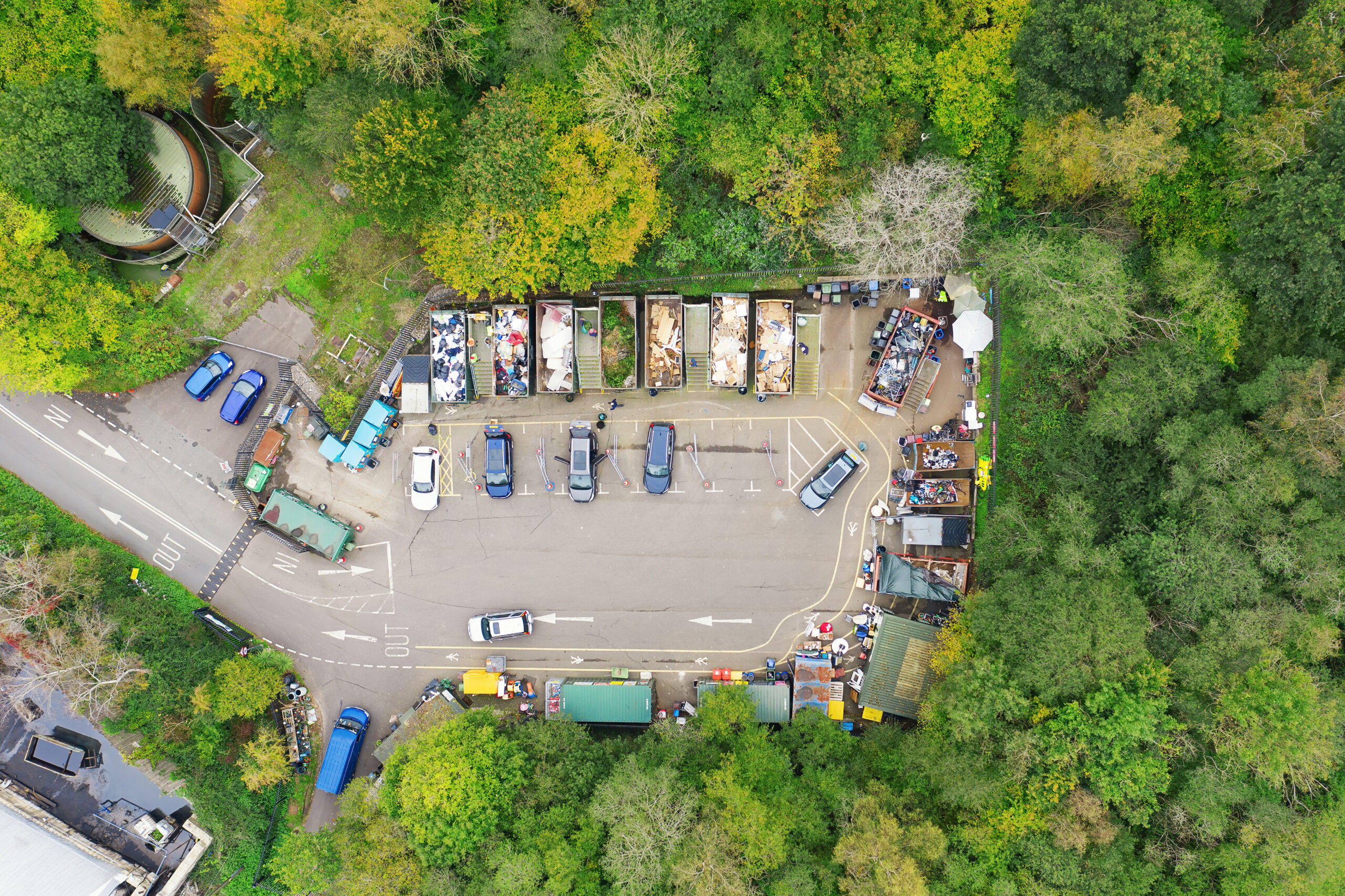
Nobody knows who is on site
The situation: In an evacuation, an inspection or an incident, the operator has no reliable list of the people and vehicles present. The paper log is behind, and last night’s entries were never written down.
What the software does:
- Time-stamped record of every entry and exit
- List of people currently on site, available at any moment
- Automatic matching of entries against exits
What changes: The list is there in seconds, with nobody’s memory involved.
Certifications are only checked on day one
The situation: A driver or contractor shows their paperwork the first time, then never again. Expiry dates pass unnoticed, and the gap only surfaces during an inspection.
What the software does:
- Certifications and documents linked to the person or vehicle
- Access blocked once validity can no longer be confirmed
- A record of every check, available for an audit
What changes: Checking becomes systematic instead of taken on trust.
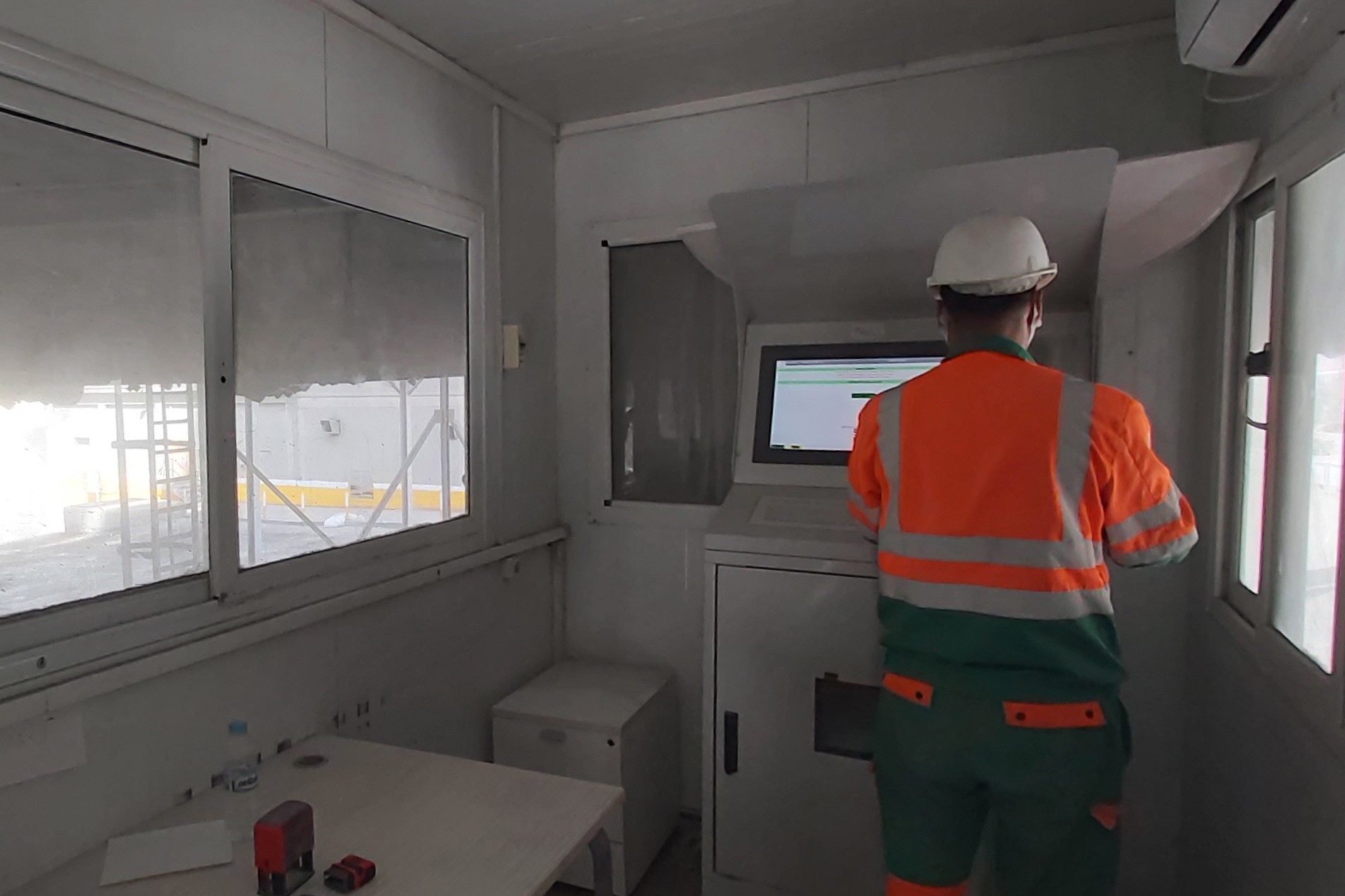

The gatehouse absorbs the whole day
The situation: Every arrival ties up an operator, who breaks off, checks, opens up and writes it down. The gate becomes a compulsory stop, and the first bottleneck of the day.
What the software does:
- Identification and opening with no human involvement
- The same treatment at night, at weekends and on public holidays
- The operator alerted only when something is wrong
What changes: Your operator handles the exceptions, which is exactly the job.
What this function covers
Working with your existing equipment
The software connects to barriers, readers, kiosks and PLCs already in service, including when they come from different manufacturers. Getting mismatched hardware to talk to each other is what IBITEK has always done, and it is what sets this project apart from a straightforward software install.
Field hardware is built for real conditions: HGV kiosks, ruggedised touchscreen panels, outdoor readers. Screens are reached through a browser, with no client to install.
Access control is often the first building block deployed on a site, because it produces a visible result quickly. Truck flows and weighing are then added within the same software.
Where this function delivers the most
Factories, warehouses, logistics platforms, port terminals and waste recovery sites: what matters is the number of outside visitors, not the industry.
Case studies
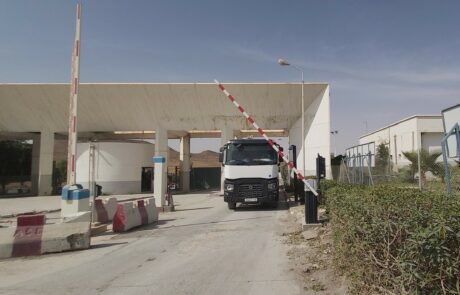
One software package, several functions
Our PILOT software also covers truck flows, weighing, production, the laboratory, downtime, reporting and integration with your business systems, all on a shared site data model.
You only turn on what you need, and you extend when the need arises, without changing tools or rebuilding interfaces.
The other functions
Site access control shares its data model with the other functions. Each one runs independently, on the same foundation.
Your questions answered