PILOT is modular industrial software for production and logistics sites. It covers truck flows, site access, weighing, production tracking, laboratory quality control, downtime analysis, reporting and integration with your business systems. Each function runs independently, on a single site data model.
None of them is mandatory. One site may only run truck flows and weighing, another only production tracking and its laboratory.
The software is designed, developed and commissioned by IBITEK, a software vendor and systems integrator since 2007.
What is industrial software?
An industrial site generates data constantly: vehicle movements, weighings, loaded quantities, throughput rates, downtime, test results. In most cases that data stays in silos. The gatehouse keeps its logbook, production keeps its shift log, the laboratory keeps its binder, and the ERP only ever sees a late, partial re-keying of it all.
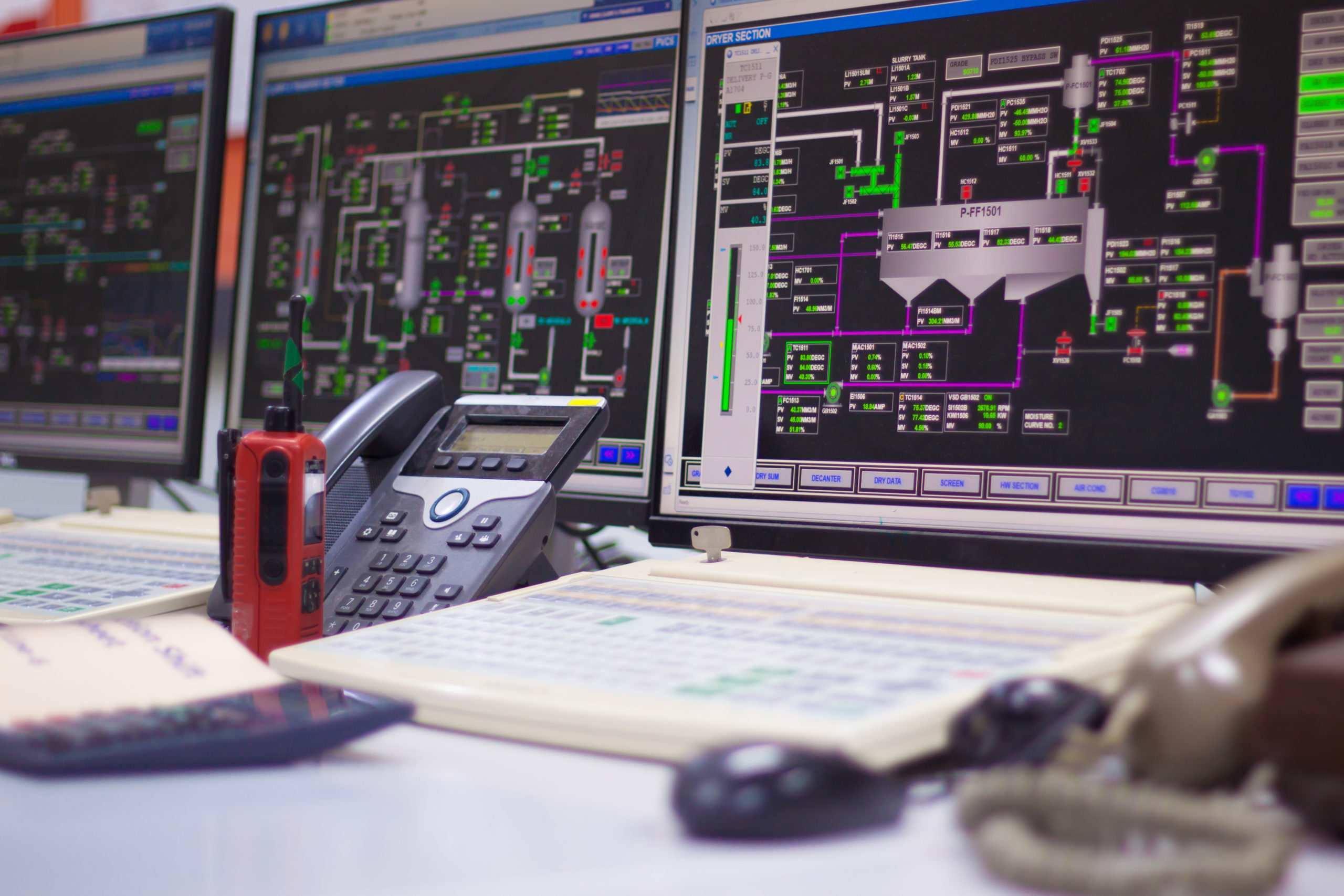
Industrial software captures that data at source, makes it consistent through a shared data model, then puts it back where decisions are actually made: at the gate, at the weighbridge, in the control room, in the laboratory or on the plant manager’s desk.
What it covers depends entirely on the site. A distribution terminal needs to get its vehicle flows and weighing transactions under control. A production unit wants to understand its downtime and trust its performance figures. A site under quality control wants every test result tied to the batch it came from. That is the point of modular software: scope follows need, not the other way round.
Companies already running our software









The main advantages of PILOT solution

Web complet
Secure access anywhere

Scalable multi-sites
Future addition

Compatibility
Integration with existing solutions

Long-term archiving
Traceability and compliance

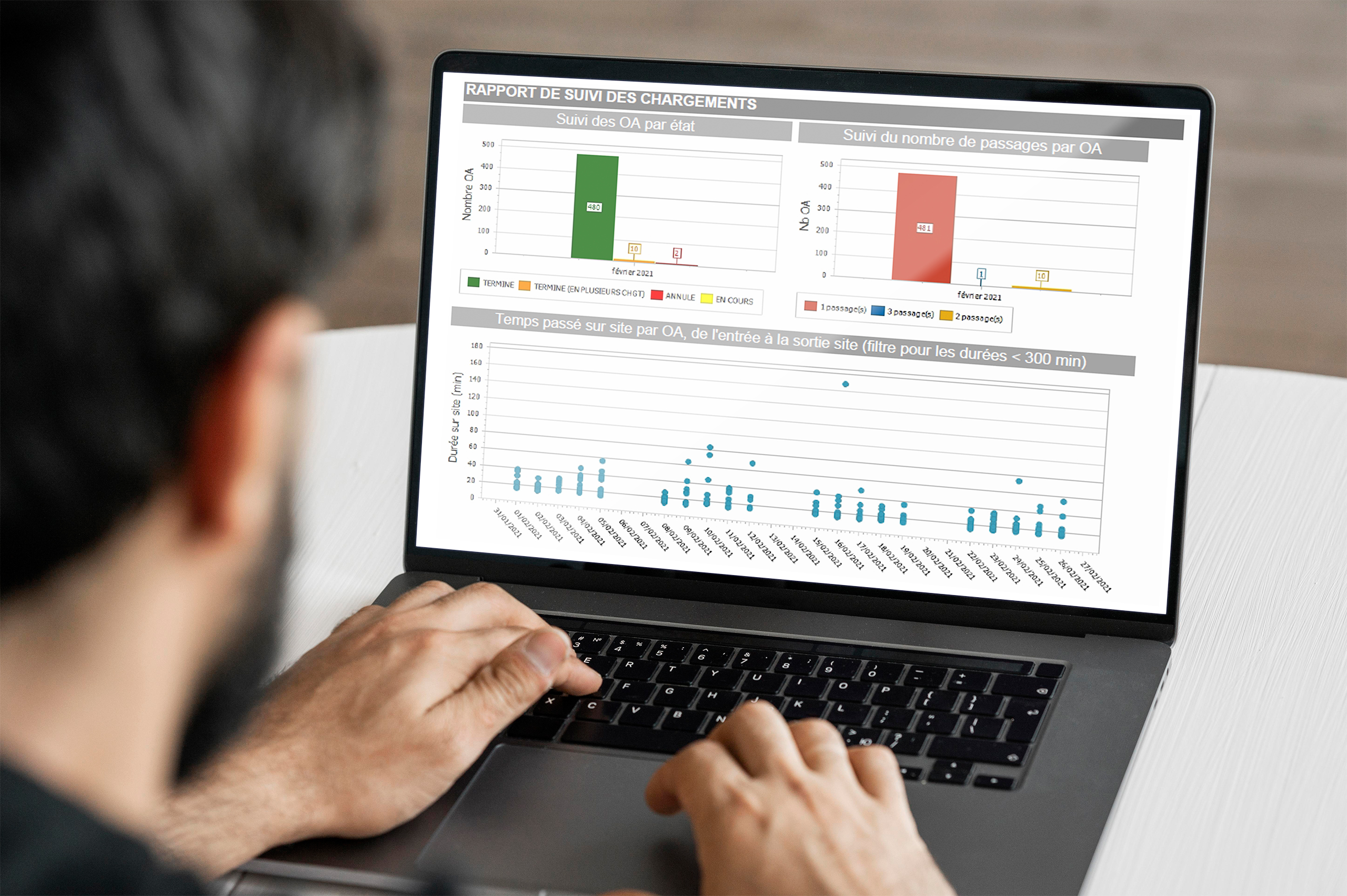
Advanced reporting
Monthly/annual review

Turnkey installation
Complete project by IBITEK Group
One software package, one data model
Modularity is not the point. What matters is that every function describes the same site using the same vocabulary.
Nothing forces you to deploy everything. You start with what’s holding you back today, then extend as needs arise, without changing tools.
Architecture and integration
The software connects to what you already have rather than replacing it. PLCs, weighbridges, barriers, display boards, SCADA systems and laboratory instruments stay in service, including when they come from different manufacturers. Getting mismatched hardware to talk to each other is what IBITEK has always done.
Data capture relies on declared sources and scheduled tasks, which makes it regular and auditable rather than dependent on someone filling in a sheet at the end of a shift. This is the prerequisite for any advanced analytics project: no predictive model makes up for data that is missing or entered by hand every other time.
The software is browser-based, with no client to install: a browser is enough, on an office workstation, a touchscreen kiosk, a ruggedised panel PC on the shop floor or a mobile device. Deployed versions are managed and tracked.
Rollout is incremental. A site switches on the function that is hurting today, then adds others without rebuilding the interfaces. Reports and dashboards are then built in-house using the embedded designers, with no change request.
Where this software delivers the most
You will find these situations in construction materials, food and beverage, metals, chemicals, logistics platforms and waste recovery sites. What determines the fit is the shape of the flows and the controls, not the industry.
How a project runs
A review of the plant, the flows, the controls and the systems in place. Scope is defined at this point, not before.
Building the site data model, configuring the selected functions, defining data sources and ERP interfaces.
Installation, connection of field equipment, factory acceptance testing then site acceptance testing.
Supporting operations, maintenance and laboratory teams until they are self-sufficient, including on the report designers.
Maintenance, remote support, extending the scope or rolling out to further sites.